We’re introducing you to some of our favourite places and people as we count down the days to ShowCanada…

While ShowCanada is obviously the feature presentation for your time in Banff, after four decades, we know something to be true: some of the most meaningful industry conversations happen in the in-between moments.
Whether you have a 30 minute break between programming or an extra day to explore, here’s our ‘not to be missed’ list to maximize your experience:
Right Outside Your Door (No Car Required)
1. Bow Falls
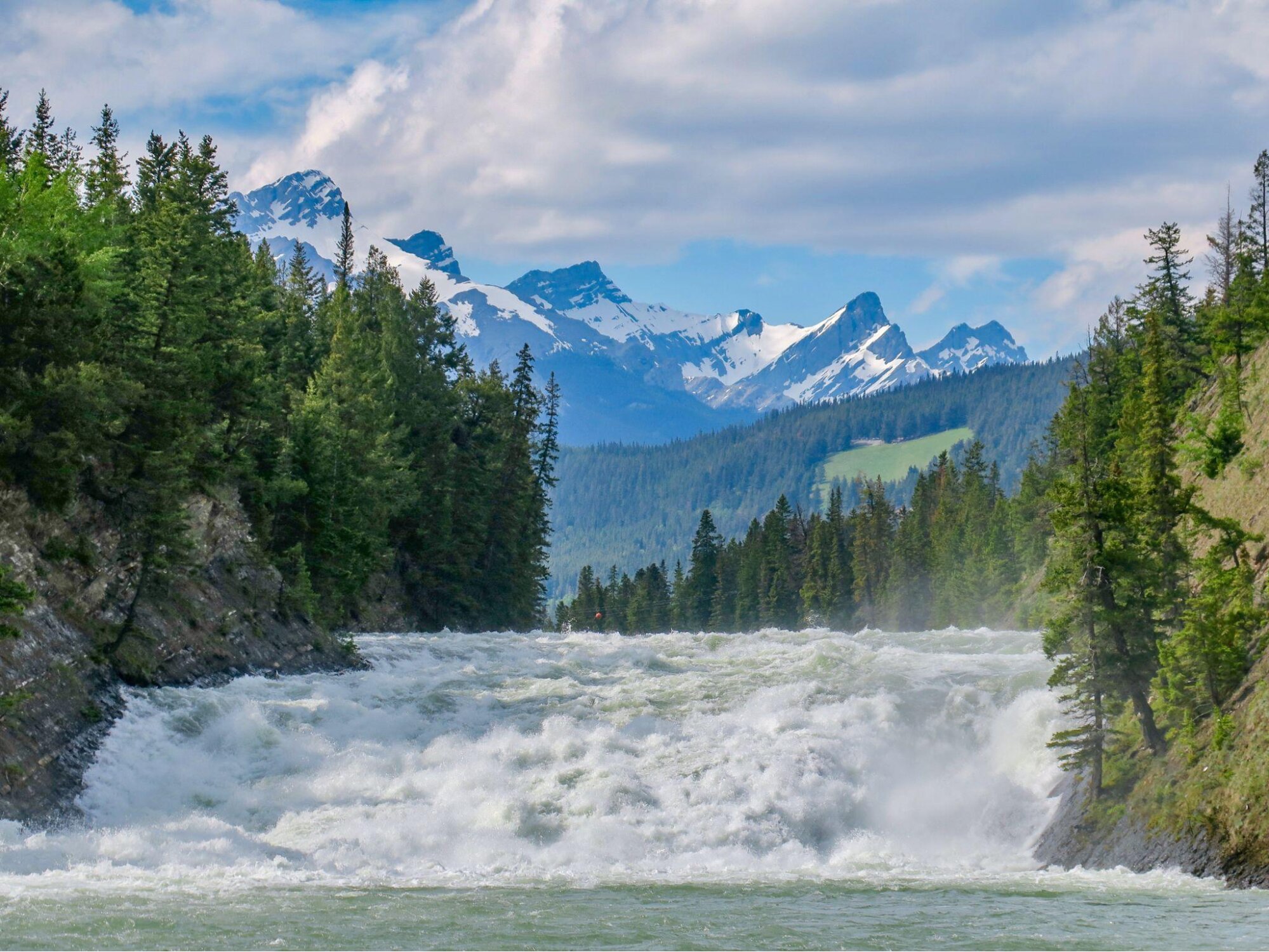
Just steps from the Fairmont, Bow Falls offers dramatic rushing water framed by mountain peaks.
The Bow River ultimately flows all the way to Hudson Bay – meaning these waters connect the Rockies to the Arctic watershed.
Fun Fact: Scenes from the 1954 Marilyn Monroe film River of No Return were filmed here.
2. Surprise Corner
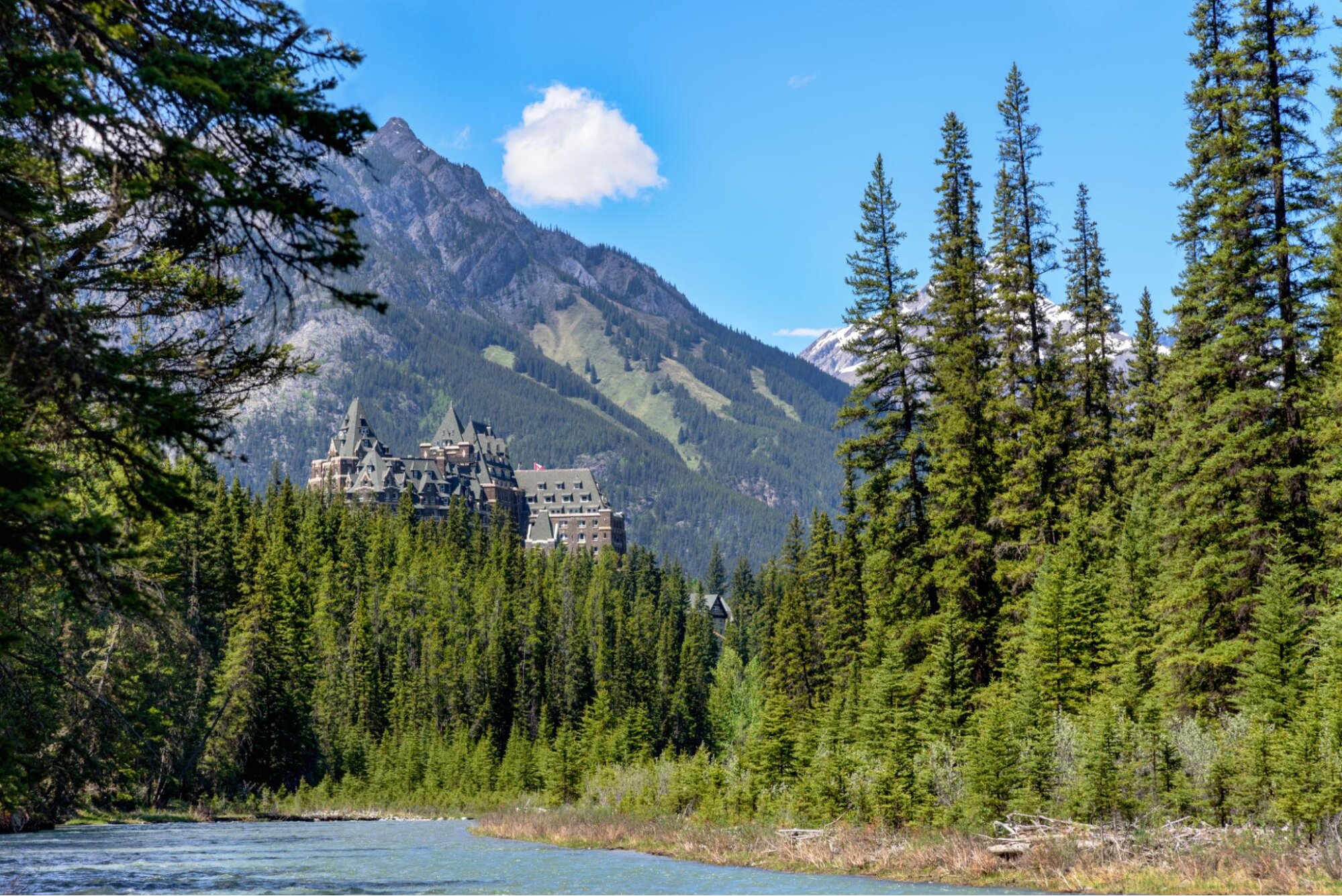
A stunning stroll leads to the postcard-perfect view of the Fairmont framed by the Bow River.
Did you know? The Fairmont was built in 1888 by the Canadian Pacific Railway to attract tourism to the Rockies – helping put Banff on the global map and essentially inventing mountain luxury travel in Canada.
The Fairmont Banff Springs castle-like design earned it the nickname “Castle in the Rockies.”
A Quick Trip Into Town
The town of Banff is absolutely walkable from the Fairmont or a quick taxi ride if time is tight.
3. Banff Avenue
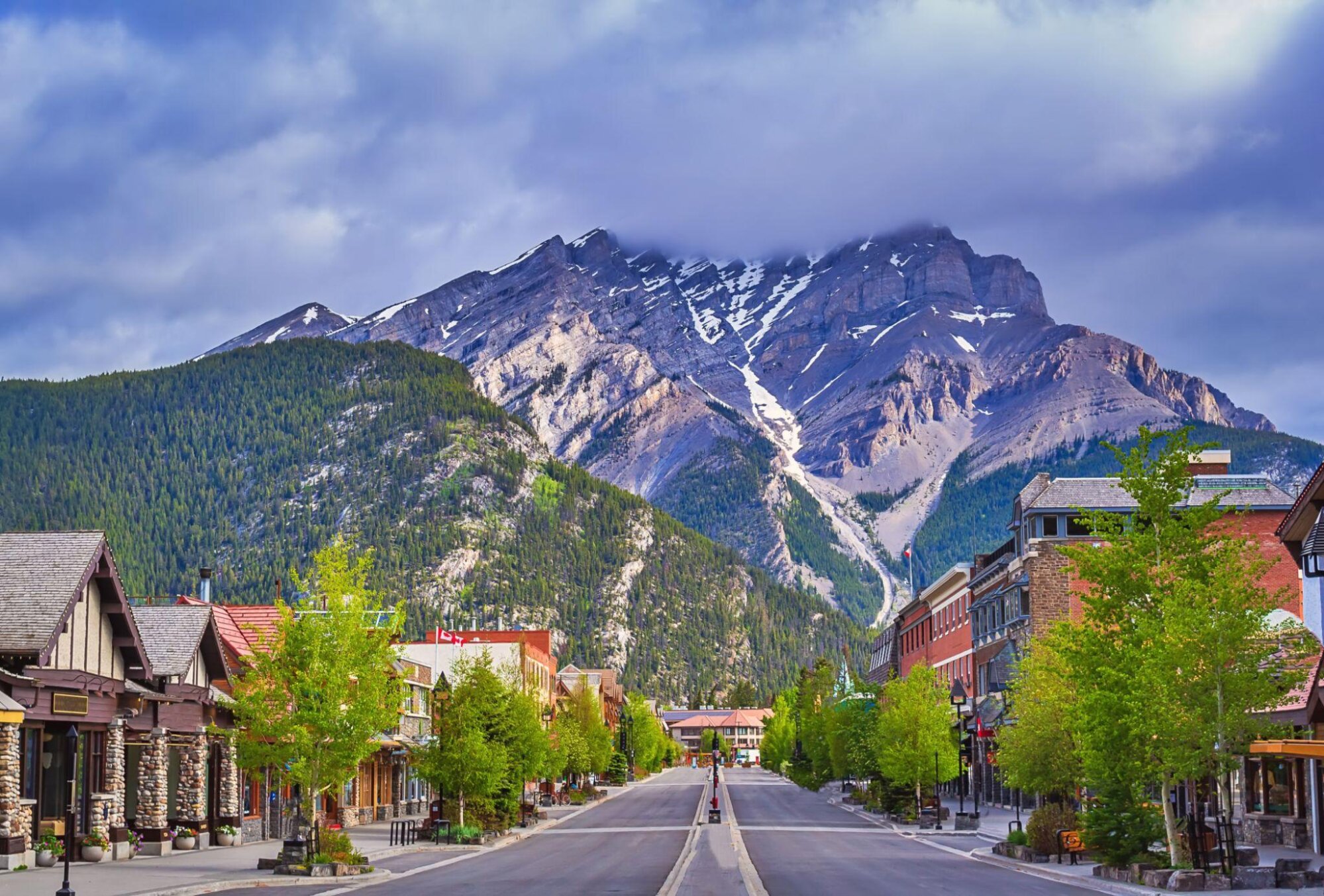
The heart of Banff, framed by Cascade Mountain.
Banff Avenue is a rare example of a fully protected national park town – development is tightly regulated to preserve ecological balance.
Fun Fact: Cascade Mountain was named in 1858 by explorer James Hector after observing its waterfall “cascades.” Today it remains one of the most recognizable mountain silhouettes in Canada.
4. Whyte Museum of the Canadian Rockies
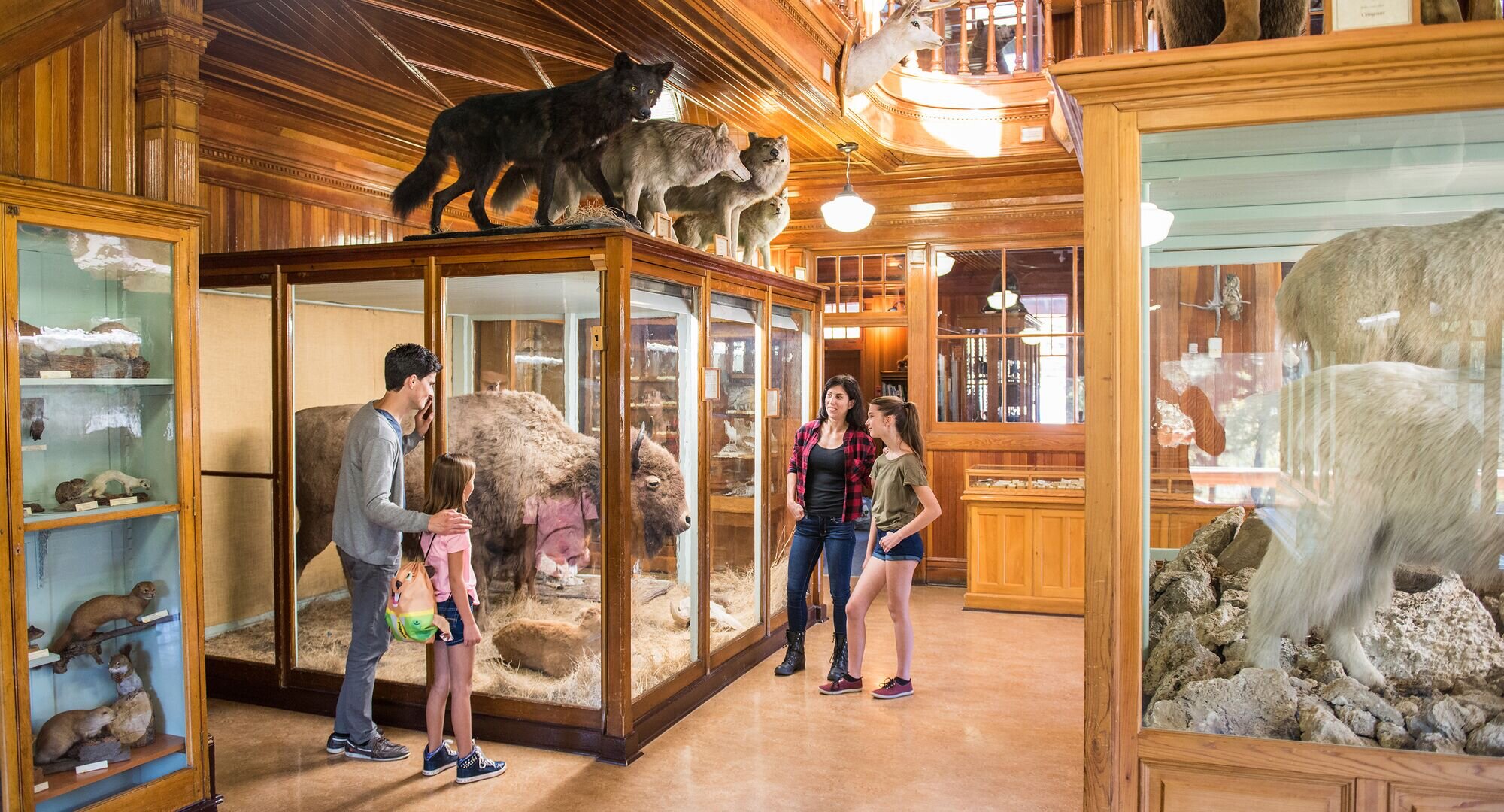
The Whyte Museum of the Canadian Rockies tells the story of the region’s art, mountaineering, and Indigenous history.
Banff has long been a creative hub – home to mountaineers, painters, photographers, and storytellers drawn to the landscape.
5. Banff Upper Hot Springs
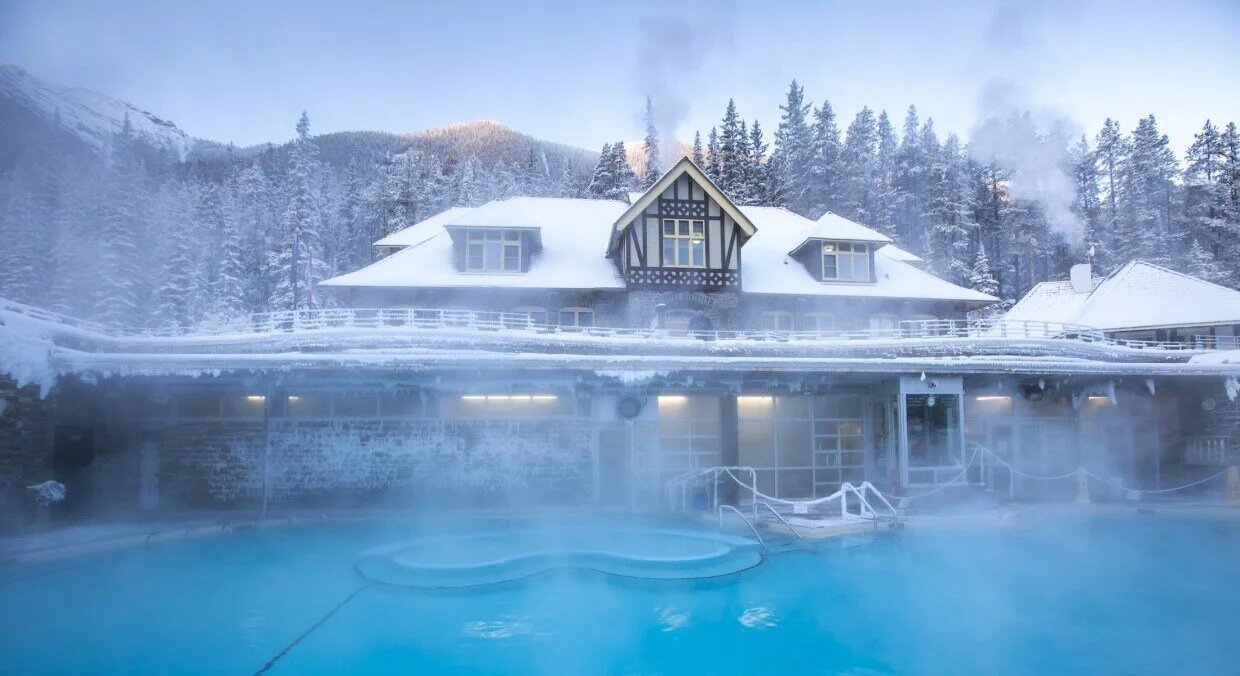
Not a bad place to decompress after a full ShowCanada schedule.
Historical note:
The 1883 discovery of these thermal springs led directly to the creation of Banff National Park in 1885 – Canada’s first national park and the third in the world.
6. Banff Gondola & Sulphur Mountain
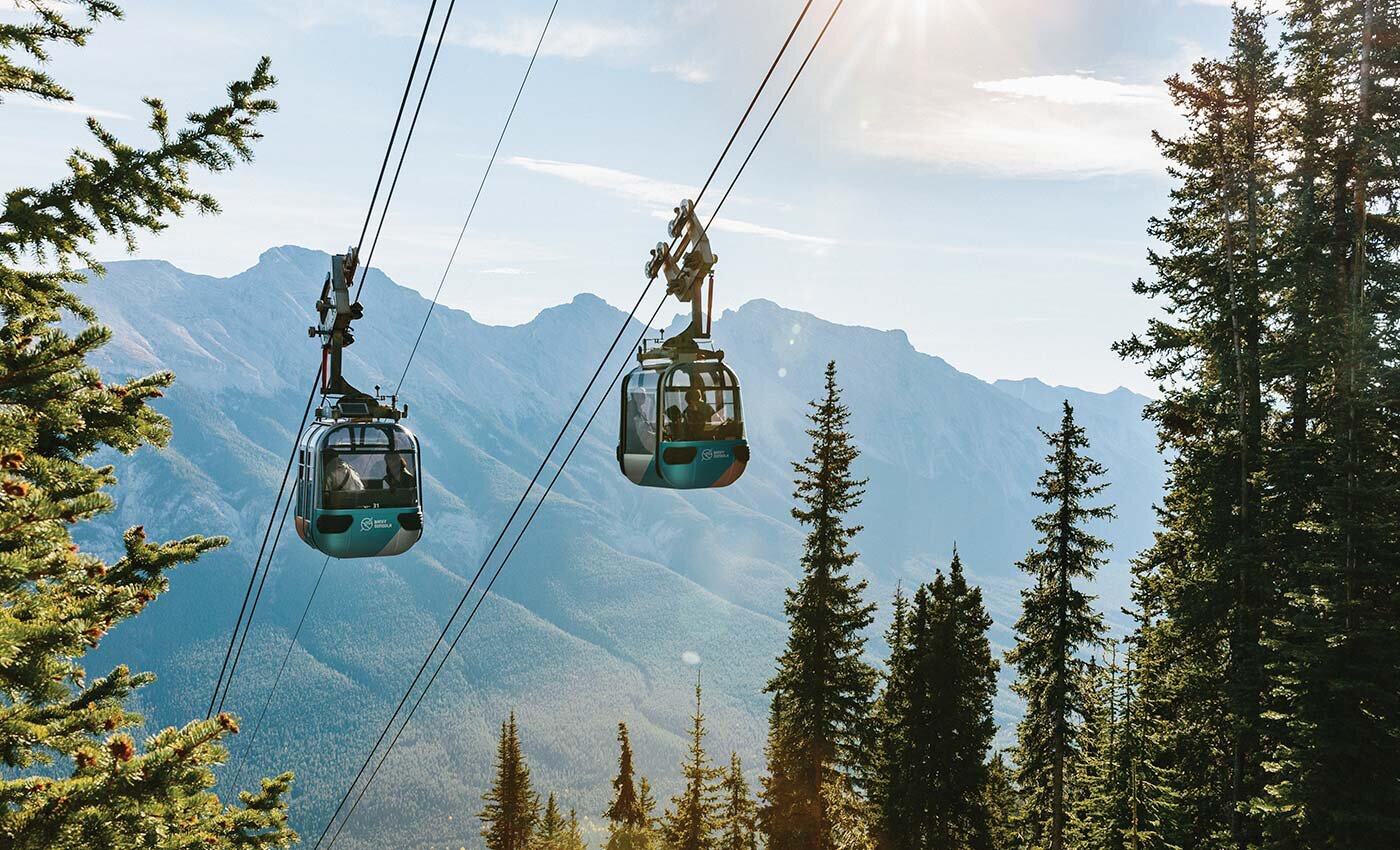
We love this one so much, we’re taking you there! Join UNIVERSAL FILMS for our closing night event on Thursday, May 21.
The Banff Gondola takes you to the summit of Sulphur Mountain – offering panoramic views across six mountain ranges.
Did you know? The original gondola opened in 1959, making it one of Banff’s longest-standing visitor experiences. At the summit, you can walk to Sanson’s Peak, named for Norman Sanson, who climbed the mountain nearly 1,000 times to take meteorological readings in the early 1900s. On clear days, visibility stretches over 100 km.
Worth Extending Your Stay (Arrive Early or Stay Late)
These iconic landscapes are within Banff National Park, but outside the town itself.
7. Lake Minnewanka
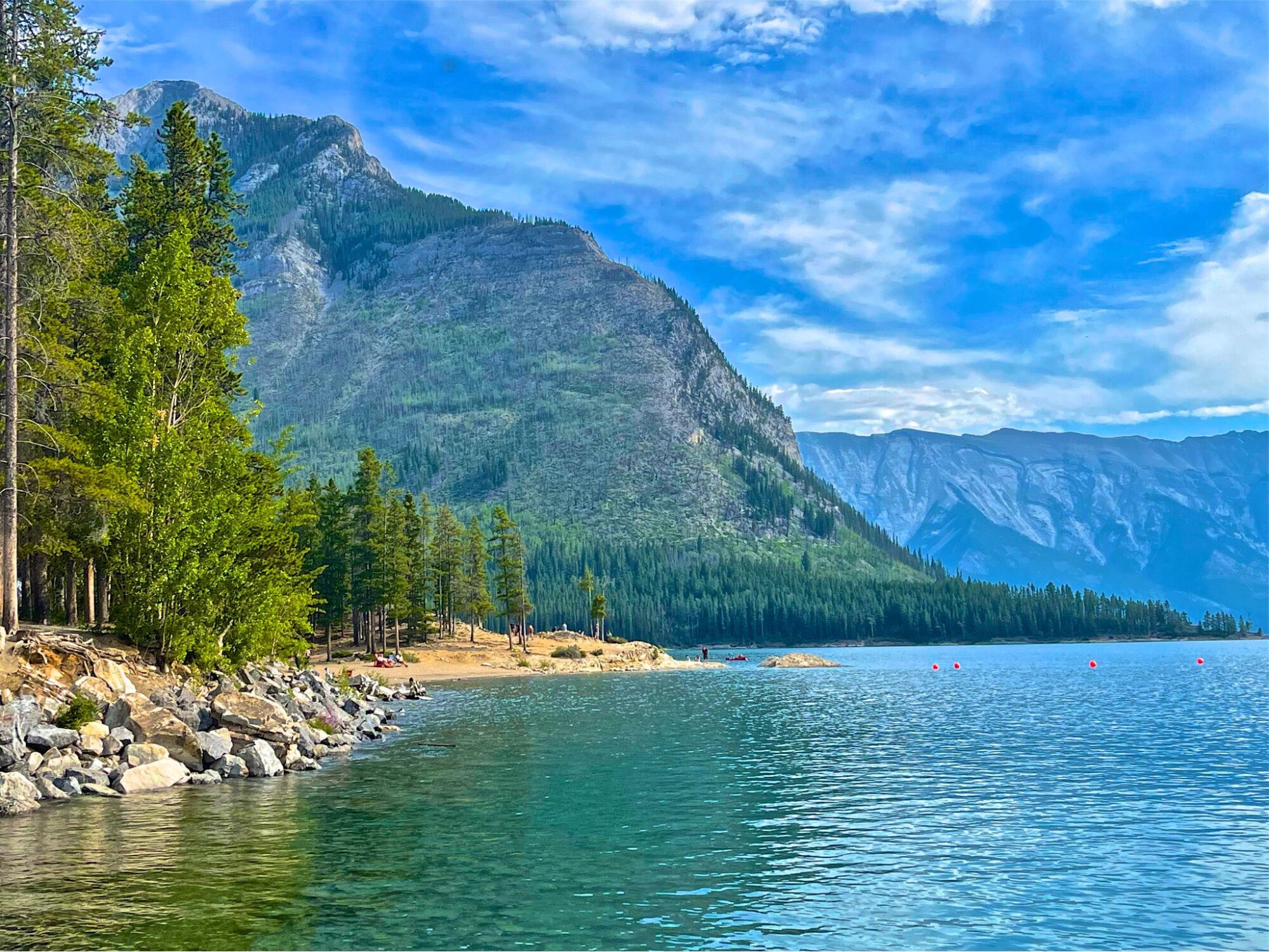
A great half-day add-on with dramatic shoreline views. Named from the Stoney Nakoda word “Minn-waki” meaning “Lake of the Spirits.”
Fun Facts: Entire resort villages were submerged when the lake was dammed in 1941. It’s the only lake in the park that allows motorized boats.
8. Lake Louise
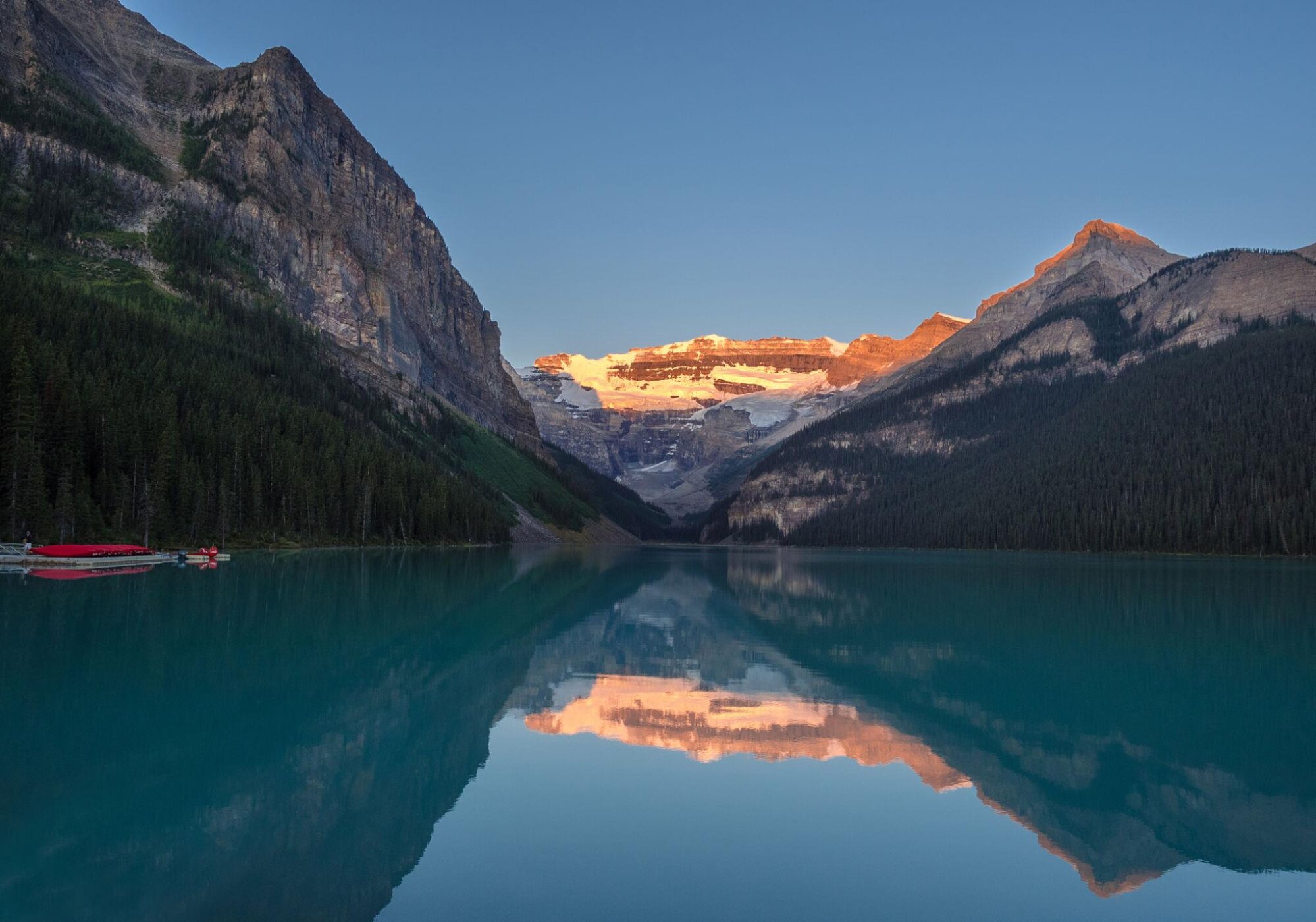
Arguably one of the most photographed lakes in the world.
Did you know? Its turquoise colour comes from glacial “rock flour” suspended in the water. Named after Princess Louise Caroline Alberta (yes, Alberta is named after her too). It was once marketed internationally as the “Eighth Wonder of the World.”
9. Moraine Lake
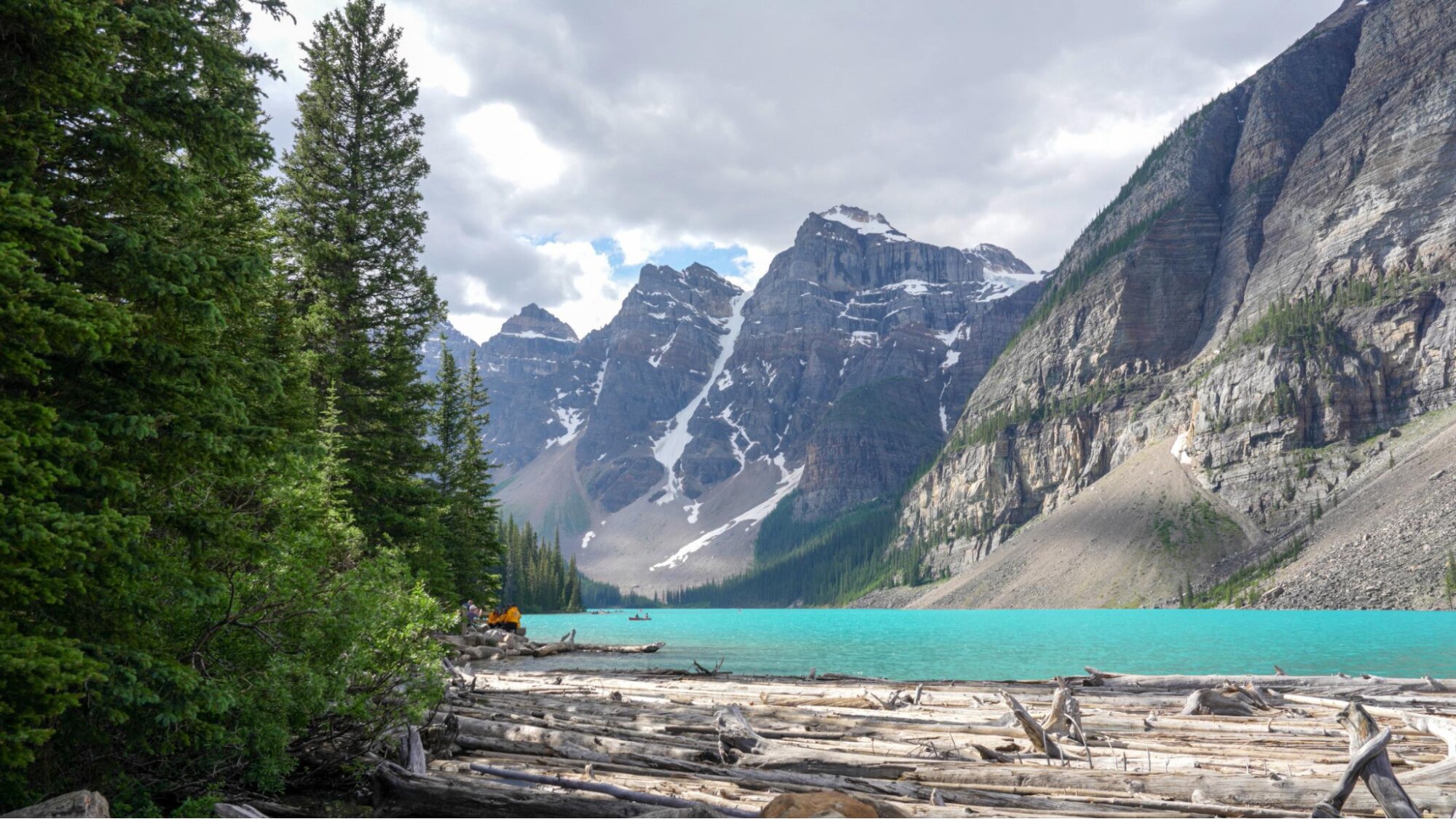
This is the Alberta postcard moment.
Located in the Valley of the Ten Peaks, Moraine Lake once appeared on the Canadian $20 bill (1969–1979 series).
For you early birds, sunrise here is iconic – the “alpenglow” phenomenon casts a pink-gold light across the peaks.
10. Icefields Parkway
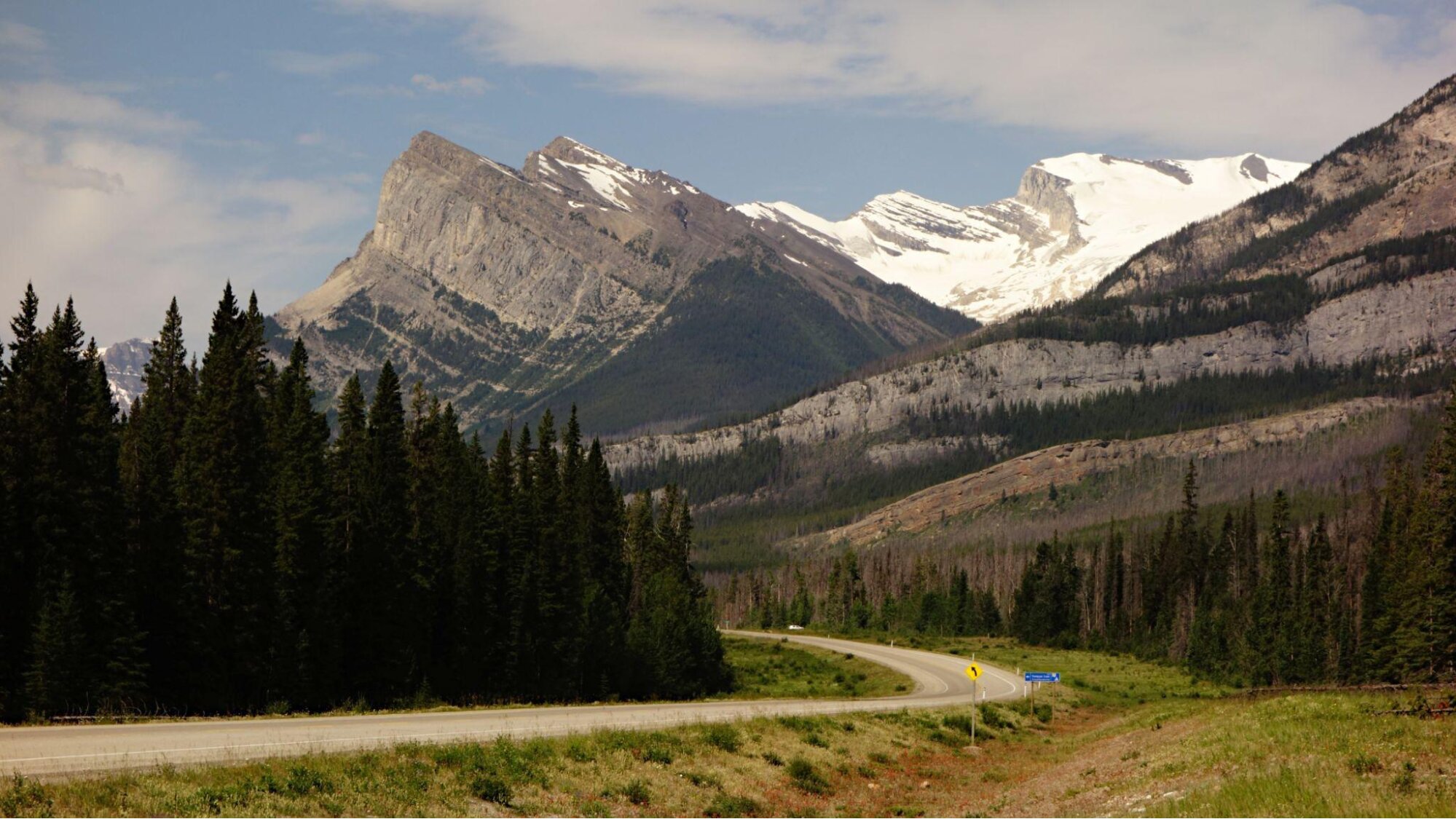
Often ranked among the most scenic and cinematic drives in the world.
Highlights include: The Athabasca Glacier (part of the Columbia Icefield) and frequent wildlife sightings (elk, bears, mountain goats).